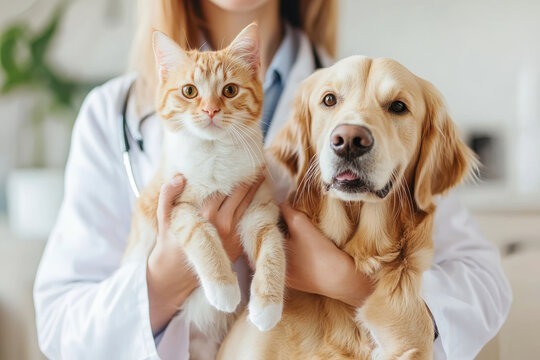
You know your pet better than anyone. You notice the small things, the slower jump onto the couch, the extra nap, the bowl that stays a little fuller than usual. Most of the time, life keeps moving and it is easy to tell yourself it can wait. That is how health problems in pets often start, which is why visiting a Fort Collins animal hospital can make all the difference. Not with a crisis, but with a quiet change that does not look urgent until it is.
Why Annual Exams Are The Foundation Of Pet Health comes down to one simple truth. Pets cannot explain what hurts, what feels off, or when a problem first began. A yearly visit gives your veterinarian a chance to catch subtle issues early, track changes over time, and help you avoid the stress and cost that often come with delayed care. A routine pet checkup is not just a box to check. It is the base layer of long term wellness.
Annual pet wellness exams catch problems before they become emergencies
Many pet owners wait until there is a clear reason to call. Limping, vomiting, a skin issue, a bad tooth, weight loss. That makes sense. You are busy, and if your pet still seems happy, the concern can feel small. The problem is that many conditions stay hidden for months. Dental disease, early arthritis, heart changes, kidney disease, thyroid problems, and even some cancers can develop quietly.
During an annual exam, your veterinarian looks at the whole picture. Weight trends, body condition, hydration, heart and lung sounds, skin, ears, eyes, teeth, mobility, and behavior all tell a story. Cornell’s guidance on regular veterinary checkups explains that these visits help identify changes that owners may not see at home. That matters because early treatment is often simpler, less invasive, and less expensive.
You may have seen this in real life. A dog comes in for an annual exam, seems mostly fine, and a murmur is found before coughing or collapse ever starts. A cat who still eats every day has lost a pound since last year, and that leads to testing that catches kidney disease early. Those are not rare stories. They are the reason preventive visits work.
Preventive veterinary care protects your pet and your budget
People often think of annual exams as an extra cost. In practice, they are usually the more controlled and less painful expense. Emergency care is expensive because the problem is bigger, the testing is urgent, and treatment may need to happen all at once. Preventive veterinary care spreads attention across the year and lowers the chance that a manageable issue turns into a crisis.
The Merck Veterinary Manual outlines how preventative health care for small animals includes exams, vaccines, parasite control, nutrition review, dental assessment, and age based screening. That list is practical, not fancy. It is the basic work that keeps pets safer as they grow and age.
There is also a trust factor. When your pet has an established relationship with an Animal Hospital, care is smoother when something urgent does happen. Your veterinary team already knows your pet’s history, normal exam findings, and past test results. That can speed up decisions and improve care.
Regular veterinary exams support better standards of care
Annual exams are not just a good idea. They reflect the standard of responsible veterinary care. The USDA’s rule on veterinary care and attending veterinarians reinforces the need for ongoing oversight, documentation, and preventive attention in animal care settings. The same logic applies at home. Consistent medical oversight leads to safer, more informed care.
This is especially true for senior pets, puppies and kittens, and animals with chronic conditions. A young pet needs vaccine planning, parasite prevention, growth monitoring, and behavior guidance. An older pet may need bloodwork, urinalysis, pain assessment, and mobility support. The visit changes as your pet changes, which is exactly why a once a year snapshot matters.
Annual exams and delayed care compared side by side
| Approach | What It Often Looks Like | Likely Outcome |
| Annual pet health exams | Physical exam, vaccine review, parasite prevention, dental check, weight tracking, age based screening | Earlier detection, steadier costs, more treatment options, better long term comfort |
| Care only when symptoms appear | Visit happens after vomiting, limping, appetite loss, odor, weight change, or behavior shift becomes obvious | Later diagnosis, higher stress, more urgent testing, greater chance of advanced disease |
| Emergency only care | Pet is seen when pain, collapse, breathing issues, blockage, or severe illness cannot be ignored | Highest cost, limited time to plan, more invasive treatment, harder recovery |
The difference is not perfection versus failure. It is timing. yearly pet exams give you more time, more information, and more room to make calm decisions.
Three steps make annual exams easier to keep up with
1. Put the next exam on the calendar before you leave. If you wait until life slows down, it usually will not. Booking ahead turns good intentions into an actual plan.
2. Track small changes at home. Write down shifts in appetite, thirst, energy, bathroom habits, mobility, breath odor, scratching, or weight. A few notes from home can help your veterinarian connect the dots faster.
3. Ask what screening fits your pet’s age and breed. One pet may need dental care and parasite prevention. Another may need senior bloodwork or joint support. The best care is tailored, not generic.
Consistent checkups build a healthier life for your pet
No one wants to hear that a problem has been there for months. That is the moment many owners replay every missed sign and feel guilty for not knowing sooner. You are not supposed to catch everything on your own. That is the point of a yearly exam. It gives your pet a trained set of eyes, a medical record that tracks change, and a better chance at staying healthy longer.
If your pet has not had an exam in the last year, now is the right time to schedule one with an Animal Hospital. A simple visit today can spare your pet discomfort and spare you harder decisions later.